Construction Loans: How to Finance Your New Build
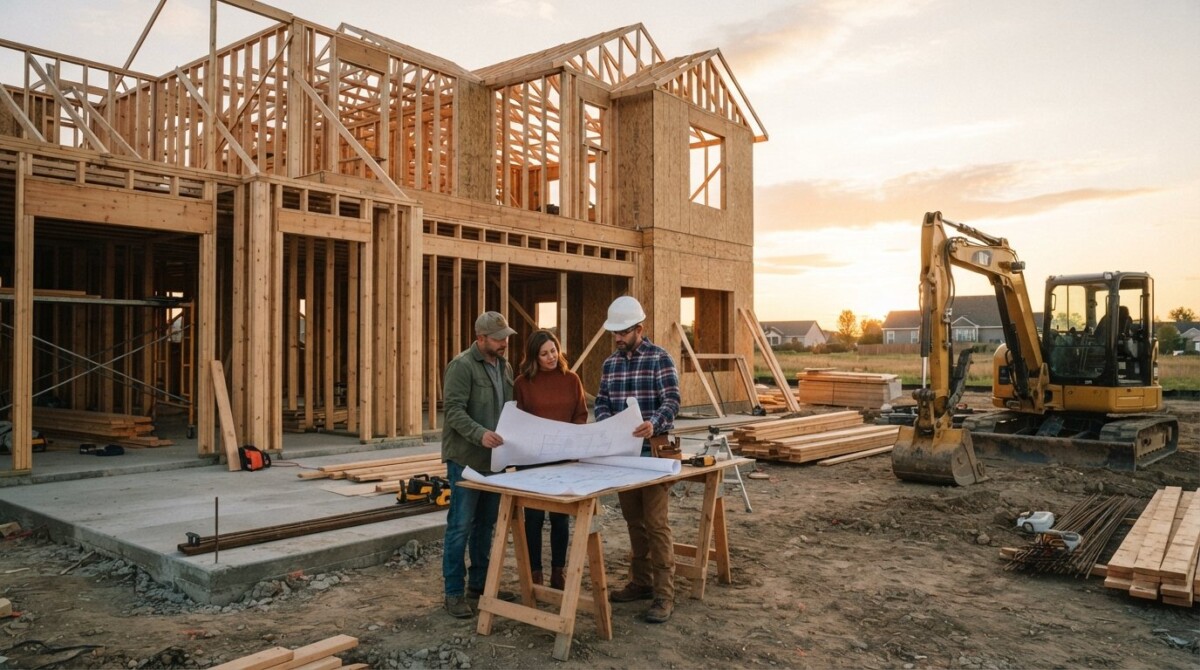

Building a home from the ground up offers unmatched customization, but it also brings a unique financial challenge: how do you pay for a house that does not exist yet? Standard mortgages cannot help because there is no finished property to use as collateral. That is where construction loans come in. These short-term financing solutions cover the cost of land, materials, labor, and permits while your home is being built. Understanding how they work can mean the difference between a smooth project and a stressful one. This guide explains the core mechanics, costs, and approval requirements so you can approach your new build with confidence.
What Is a Construction Loan?
A construction loan is a short-term, higher-interest loan that provides the funds to build a residential property. Unlike a traditional mortgage, which pays a lump sum to the seller, a construction loan disburses money in stages as work progresses. These stages are called draws, and each one aligns with a major milestone: pouring the foundation, framing, installing the roof, and finishing interior work. During the build, you typically pay interest only on the amount already drawn, not the full loan amount. That keeps early monthly payments lower, but you will also face a balloon payment or need to refinance when construction ends.
Most construction loans have a term of 12 to 18 months, which is meant to match the expected build time. If your project runs longer, you may request an extension, but that usually comes with additional fees. Because the lender is taking on more risk, interest rates are generally 1 to 4 percentage points higher than those for a standard mortgage. Your credit history, down payment, and the appraised value of the planned home all influence the rate you receive.
Construction-to-Permanent vs. Standalone Loans
Borrowers can choose between two main structures: a construction-to-permanent loan or a standalone construction loan. Each serves a different need, and the right choice depends on how much certainty you want and how much you can afford upfront.
Construction-to-Permanent Loan
This option combines financing for the build and your long-term mortgage into one package. During construction, you pay interest only on the draws. Once the home is complete, the loan converts automatically into a traditional mortgage with fixed or adjustable rates. This structure offers several advantages: you lock in your mortgage rate at closing, you pay only one set of closing costs, and you avoid the stress of finding a second loan after the build. Many lenders offer this as a seamless product, and it is the most popular choice among first-time builders.
Standalone Construction Loan
Also known as a two-close loan, this approach involves separate financing for construction and the permanent mortgage. The construction loan has its own terms, and when building finishes, you must apply for a new mortgage to pay off the balance. The advantage is flexibility: you can shop for the best mortgage rate after the build, and if your credit improves or interest rates drop, you benefit. The downside is the added risk. If your financial situation changes or the housing market shifts, you might struggle to secure the permanent loan, and you will pay two sets of closing costs. This option suits borrowers who expect their income or credit profile to improve during the build.
How Construction Loan Draws Work
Understanding the draw schedule is essential to managing your budget. The lender does not hand you a check for the full loan amount. Instead, a third-party inspector or appraiser visits the site at each milestone to verify progress. Once the work is approved, the lender releases funds to you or directly to your contractor.
A typical draw schedule might look like this:
- Foundation: 10-15% of the loan amount when concrete is poured and cured.
- Framing: 20-25% when the structural skeleton and roof sheathing are in place.
- Rough-ins: 10-15% after plumbing, electrical, and HVAC systems are roughed in.
- Interior finishes: 30-40% in several smaller draws for drywall, paint, flooring, and fixtures.
- Final completion: The remaining balance once the home passes a final inspection and you receive a certificate of occupancy.
Each draw release triggers interest charges, so the amount you pay each month increases as the build progresses. Keep a close eye on your budget because cost overruns are common. Most lenders require you to contribute a certain amount of equity, often 20% of the total project cost, before they will approve the loan.
Qualifying for a Construction Loan
Construction loans have stricter requirements than standard mortgages. Lenders want to see that you have a reliable income, a healthy credit score, and a manageable debt-to-income ratio. Most require a FICO score of at least 680, though some lenders accept 620 with a larger down payment. You also need a solid plan: a signed contract with a licensed builder, detailed blueprints, and a realistic cost breakdown.
Your builder is scrutinized as much as you are. Lenders usually require builders to be licensed, insured, and experienced with projects of similar size and value. Some lenders have a pre-approved list of builders, which can simplify the process. If you plan to act as your own general contractor, expect far stricter requirements, including proof of past building experience and a larger cash reserve.
Down Payment and Cash Reserves
You will need a substantial down payment, generally 20% of the project cost, and often more for custom homes. Some loans allow as little as 10% down, but that triggers private mortgage insurance and a higher interest rate. Lenders also want to see cash reserves that cover six to twelve months of loan payments. This protects them if the build stalls or you face unexpected expenses.
Costs and Fees to Expect
Beyond the interest rate, construction loans carry several fees that can add up quickly. Budgeting for these costs prevents surprises at closing:
- Origination fee: 1% to 2% of the loan amount, paid upfront.
- Appraisal fee: $500 to $1,000, covering a home appraised based on its future value.
- Inspection fees: $100 to $300 per draw, which you pay each time the lender checks progress.
- Title and legal fees: $500 to $2,000 for title search, insurance, and legal review.
- Interest reserve: Some lenders require you to prepay the estimated interest for the first year, held in an account.
The total closing costs for a construction loan often run 2% to 5% of the loan amount, higher than the 2% to 3% typical of a standard mortgage. Use a mortgage calculator to estimate your monthly payments during and after the build, and factor in these one-time fees.
Tips for a Successful Construction Loan Experience
Getting approved is only the first step. To ensure your project stays on track and within budget, apply these practical strategies:
Choose Your Lender Wisely
Not all banks and credit unions offer construction loans, and those that do have different underwriting rules. Seek a lender with experience in construction lending, as they will understand the draw process and local building costs. Ask for references from recent clients and compare offers from at least three institutions. An online marketplace like Loan Financing can help you connect with national lenders who specialize in this niche.
Work With an Experienced Builder
Your builder is your most important partner. Verify their license, insurance, and portfolio of completed projects similar to yours. Ask for a detailed estimate that breaks down labor, materials, and contingency. A reputable builder will include a 5% to 10% contingency fund for unforeseen issues like soil problems or supply chain delays. Agree on a fixed-price contract rather than a cost-plus arrangement, as it provides better cost certainty.
Plan for Cost Overruns
Even with a detailed budget, surprises happen. Set aside an additional 10% to 20% of the total project cost in cash. If the lender requires a contingency reserve, they may hold 5% of the loan amount until completion. Having your own buffer ensures you can cover unexpected expenses without tapping into higher-interest credit cards.
How Loan Financing Can Help
Navigating construction loans requires careful research and comparison. Loan Financing is a free educational resource that connects you with top national lenders who offer construction-to-permanent and standalone loans. You can explore rates, read lender reviews, and use interactive calculators to estimate monthly payments. The platform does not originate loans; instead, it empowers you with the information and tools to make a confident choice. Start by prequalifying with multiple lenders to compare terms, and use the mortgage calculator on Loan Financing to project your permanent mortgage payment once your home is complete.
Construction loans open the door to building the home you have always wanted, but they demand diligence and preparation. By understanding the draw process, securing a reliable builder, and choosing the right loan structure, you can minimize risk and enjoy the journey. Take the time to compare offers from multiple lenders and lean on trusted resources like Loan Financing for guidance. With the right plan, your dream home can become a reality without financial strain.


About Sloane Parker

How Secured Personal Loans Work and When to Use One
Learn how secured personal loans work, their benefits and risks, and smart strategies to use them effectively for debt consolidation or major expenses.

Online Installment Loans: Flexible Repayment Made Simple
Online installment loans offer fixed payments and fast funding, making them a smart choice for managing expenses and consolidating debt.

Loan Payoff Calculator: Plan Your Debt Freedom
Use a loan payoff calculator to see how extra payments shorten your term and save on interest. Plan your debt freedom today.
Find a Loan!