Emergency Personal Loans: Fast Cash for Unexpected Bills
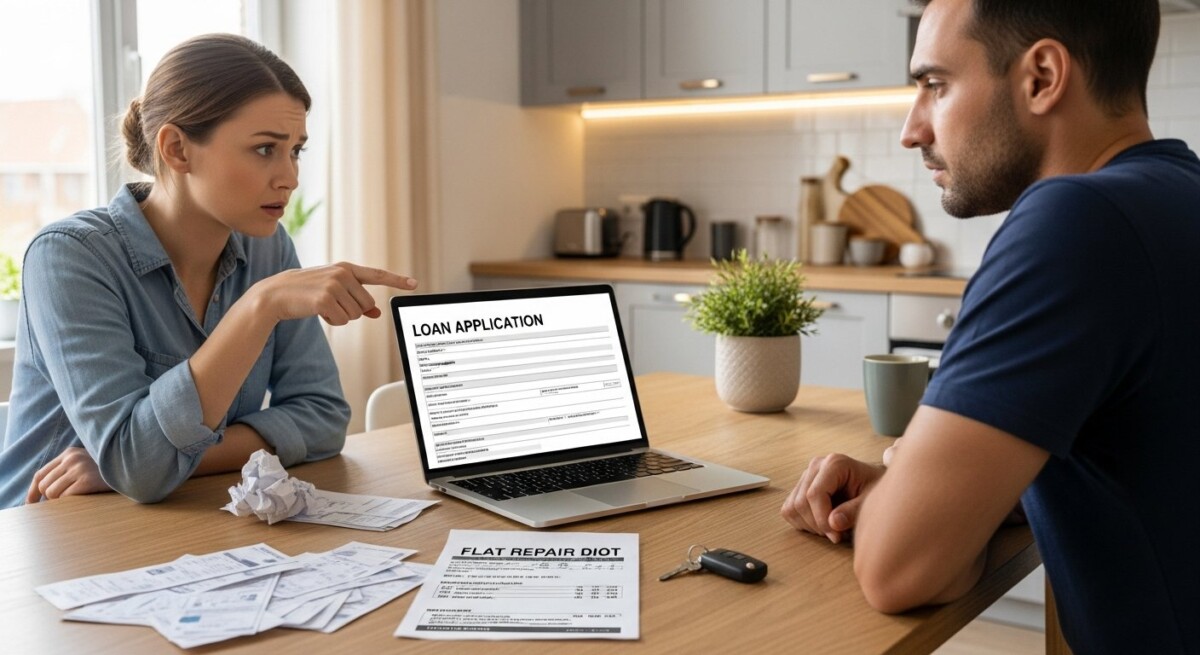

When a sudden car repair, medical bill, or home fix lands on your doorstep, your savings may not be enough to cover the cost. Many people face this exact situation every month, and the stress of finding money quickly can feel overwhelming. Emergency personal loans are designed to bridge that gap, giving you access to funds when you need them most. Unlike payday loans or credit card cash advances, these loans offer a structured way to borrow with predictable payments. In this guide, we explain how they work, what to look for, and how to avoid costly mistakes.
What Counts as an Emergency Personal Loan?
An emergency personal loan is a type of unsecured installment loan that you can use for almost any urgent expense. Lenders disburse a lump sum, and you repay it over a set term, usually 12 to 60 months, with fixed monthly payments. Because the loan is unsecured, you do not need to put up collateral like your car or home. This makes it a popular choice for people who need cash quickly but do not want to risk their assets.
These loans differ from other quick-cash options in several important ways. Payday loans often require full repayment by your next paycheck and carry triple-digit APRs. Credit card cash advances come with high fees and immediate interest charges. Emergency personal loans, by contrast, offer lower rates, longer repayment terms, and clearer terms. You know exactly what you owe each month, which helps you budget and avoid surprises.
Most lenders offer these loans online, and the application process is straightforward. You provide basic personal and financial information, and the lender runs a soft or hard credit check. If approved, you can receive the funds as soon as the next business day. Some lenders even offer same-day funding for qualifying applicants. If speed is your priority, compare lenders that advertise fast turnaround times.
Where to Find Emergency Personal Loans
You have several options when searching for an emergency personal loan. Traditional banks and credit unions are a good starting point, especially if you already have an account. They often offer competitive rates to existing customers, but the approval process can be slower, and credit requirements may be stricter. Online lenders, on the other hand, specialize in speed and convenience. Many operate entirely online, which means you can apply from your phone or computer and get a decision in minutes.
Another option is a credit union, which may offer payday alternative loans (PALs) with lower rates and smaller amounts. These loans are designed to help consumers avoid high-cost payday lending. However, you usually need to be a member to apply. If you have a limited credit history or a low credit score, you may want to explore lenders that accept alternative credit data, such as utility payments or rental history.
When comparing lenders, pay close attention to the annual percentage rate (APR), which includes both interest and fees. A lower APR means lower overall costs. Also, check for origination fees, prepayment penalties, and late payment charges. Some lenders charge an origination fee of 1 to 8 percent of the loan amount, which can add hundreds of dollars to your total cost. Always read the fine print before signing.
Online Lenders vs. Traditional Banks
Online lenders have become the go-to choice for emergency funding because of their speed and accessibility. They use automated systems to review applications, which reduces the time to approval. Many also offer prequalification tools that let you check your rates without affecting your credit score. This is a smart first step because it helps you compare offers without damaging your credit.
Traditional banks, however, may offer lower rates if you have strong credit and a long relationship. But they often require an in-person visit or a lengthy application process. If you need money today, online lenders are usually the better bet. For example, a lender like Loan Financing’s partners can provide personalized loan matches in minutes, with funds deposited as soon as the next business day.
How to Qualify for an Emergency Personal Loan
Qualifying for an emergency personal loan depends on several factors, including your credit score, income, and debt-to-income ratio. Lenders use these details to assess your ability to repay the loan. A higher credit score generally means better rates and terms, but you are not automatically disqualified if your credit is less than perfect. Many lenders offer loans specifically for bad credit, though the rates will be higher.
Your income is equally important. Lenders want to see a steady source of income, whether from a job, self-employment, or benefits. They typically require proof of income, such as pay stubs or bank statements. Some lenders accept alternative income verification, which is helpful for gig workers or freelancers. The debt-to-income ratio, which compares your monthly debt payments to your monthly income, also plays a key role. Most lenders prefer a ratio below 40 percent.
Here are the typical requirements for an emergency personal loan:
- Proof of identity, such as a driver’s license or passport.
- Proof of income, including recent pay stubs or bank statements.
- A valid bank account for fund deposit and automatic payments.
- A Social Security number or Individual Taxpayer Identification Number.
- A credit check, which may be soft or hard depending on the lender.
Meeting these requirements does not guarantee approval, but it speeds up the process. If you are missing any documents, gather them before applying to avoid delays. Some lenders also allow you to apply with a co-signer, which can improve your chances and get you a lower rate.
Costs and Risks to Understand
Emergency personal loans are not free money. You will pay interest and possibly fees, and the cost can add up quickly if you are not careful. The APR is the best way to compare costs because it includes both interest and fees. For example, a $5,000 loan with a 12 percent APR and a 3 percent origination fee will cost you more than a loan with a 10 percent APR and no origination fee. Always calculate the total cost before accepting an offer.
Late payments can also hurt your credit and add penalty fees. If you miss a payment, your lender may report it to the credit bureaus, which can lower your score for years. Some lenders offer a grace period, but not all do. Set up automatic payments if possible, and contact your lender immediately if you anticipate a problem. Many lenders are willing to work with you if you communicate early.
Another risk is getting trapped in a cycle of debt. If you borrow more than you can afford, you might need to take out another loan to cover the first one. This can lead to a spiral of fees and interest. To avoid this, borrow only what you need and choose a repayment term that fits your budget. A longer term means lower monthly payments but more interest over time. A shorter term costs less overall but requires higher monthly payments.
How to Apply for an Emergency Personal Loan
Applying for an emergency personal loan is simple, but you should prepare before you start. First, check your credit report for errors that could drag down your score. You can get a free copy from each of the three major credit bureaus once a year. If you find mistakes, dispute them right away. Next, calculate how much you need and how much you can afford to repay each month. Use an online calculator to estimate your monthly payment and total interest.
Once you have a clear picture, shop around and compare offers from multiple lenders. Look at the APR, loan amount, term, and fees. Prequalify with several lenders to see your potential rates without affecting your credit. When you find a good fit, complete the full application, which will trigger a hard credit inquiry. This may lower your credit score by a few points, but the impact is temporary.
Here is a step-by-step guide to the application process:
- Gather your personal and financial documents, including ID, proof of income, and bank statements.
- Check your credit score and report for any issues that need fixing.
- Prequalify with multiple lenders to compare rates and terms.
- Choose the best offer and complete the formal application.
- Review the loan agreement carefully, especially the APR, fees, and repayment schedule.
- Sign the agreement electronically and provide any additional documents if requested.
- Receive your funds, often as soon as the next business day.
After you receive the funds, set up a repayment plan. Mark the due date on your calendar or set up autopay to avoid late fees. If you have extra cash, consider making additional payments to reduce the principal and save on interest. Just make sure your lender does not charge a prepayment penalty.
Alternatives to Emergency Personal Loans
Before you commit to an emergency personal loan, consider other options that might be cheaper or less risky. If you have a credit card with a low introductory APR, a balance transfer might make sense. But beware of balance transfer fees and the fact that the promotional rate usually expires after a set period. A home equity line of credit (HELOC) is another option if you own a home, but it puts your property at risk if you cannot repay.
Borrowing from friends or family is an option that avoids interest and fees, but it can strain relationships. If you go this route, put the terms in writing and repay as agreed. You might also qualify for assistance programs from local charities, religious organizations, or government agencies. These often provide grants or interest-free loans for specific needs like rent or utilities.
Another alternative is a credit card cash advance, but this is one of the most expensive ways to borrow. You will pay a cash advance fee (usually 3 to 5 percent of the amount) and a higher interest rate, and interest starts accruing immediately. In our guide on comparing personal loans to lower payments, we explain how to evaluate these options side by side.
Using Loan Financing to Find Your Best Match
Loan Financing simplifies the search for emergency personal loans. Instead of visiting dozens of lender websites, you can use one platform to compare offers from multiple top national lenders. The service is free, and it does not affect your credit score when you check your rates. You can filter by loan amount, term, and APR to find a loan that fits your budget. Whether you need $500 for a quick fix or $10,000 for a major repair, you can see your options in one place.
The platform also offers educational tools, like a payment calculator, to help you understand the true cost of borrowing. You can enter different loan amounts and terms to see how your monthly payment changes. This helps you choose a loan that you can comfortably repay without stretching your budget. For more insights, read our guide to getting cash fast with same day personal loans.
Once you compare offers, you can complete the application directly through the lender. Loan Financing acts as an intermediary, so your information is handled securely. The site emphasizes privacy and data security, so you can browse without worrying about your personal details being misused. After you pick a loan, the lender will handle the rest, including funding and repayment.
If you are new to online lending, you might have questions about how the process works. Our overview of online personal loans covers the key benefits and steps, from application to funding. It is a helpful resource if you want to understand the ins and outs before you commit.
Final Thoughts on Emergency Funding
Emergency personal loans can be a lifeline when unexpected expenses hit. They offer fast access to cash, fixed payments, and no collateral requirement. But they are not a one-size-fits-all solution. You need to compare offers, understand the costs, and choose a loan that fits your financial situation. Start by checking your credit, calculating your needs, and prequalifying with several lenders. Use the tools and resources on Loan Financing to make an informed decision. With the right loan, you can handle the emergency and stay on track with your finances.


About Sloane Parker

Fast Personal Loans: How to Get Cash Quickly
Need cash fast? Fast personal loans offer quick approval and funding. Learn how to get one affordably and avoid common pitfalls.

Personal Loan Refinance: Cut Payments and Save Money
Refinancing a personal loan can lower your interest rate and monthly payment. Learn when it makes sense and how to do it step by step.

Medical Loans: Smart Ways to Fund Healthcare Costs
Medical loans offer a practical way to cover healthcare costs without draining savings. Learn how to qualify, compare options, and repay smartly.
Find a Loan!