
Home Repair Loans: Compare Options and Save Money
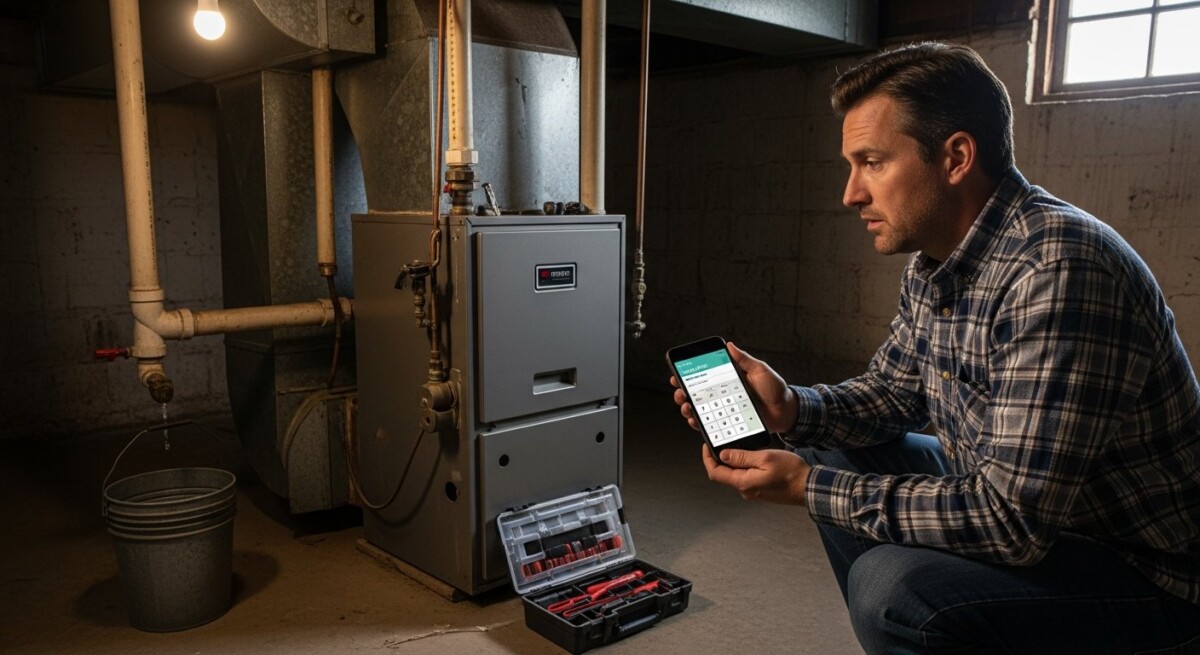

When your roof leaks, your furnace fails, or a pipe bursts, the cost of repairs can feel overwhelming. Many homeowners lack thousands of dollars in emergency savings, yet delaying repairs leads to bigger problems. Home repair loans offer a practical way to fund these essential projects without depleting your savings or maxing out credit cards. Understanding your options, qualification requirements, and lender offerings helps you choose a loan that fits your budget and gets your home back in shape quickly.
Types of Home Repair Loans
Not all home repair loans are the same. The right choice depends on the size of the project, your home equity, credit score, and how quickly you need funds. Below are the most common financing options homeowners use.
Personal Loans for Home Repairs
Personal loans are unsecured, meaning you do not need to put up collateral like your home. Lenders approve based on your creditworthiness and income. These loans typically have fixed interest rates and repayment terms from two to seven years. They work well for mid-sized repairs like replacing a water heater or fixing a deck. Because there is no collateral, interest rates can be higher than secured loans, but approval is often fast, sometimes within one business day.
Home Equity Loans and HELOCs
If you have significant equity in your home, a home equity loan or home equity line of credit (HELOC) can provide larger amounts at lower rates. A home equity loan gives you a lump sum with fixed payments, while a HELOC works like a credit card you can draw from as needed. These are secured by your home, so defaulting puts your property at risk. They are best for major repairs such as a new roof, foundation work, or kitchen remodeling that adds value.
FHA 203(k) Rehabilitation Loans
For homeowners buying a fixer-upper or refinancing and renovating, an FHA 203(k) loan combines the purchase or refinance with repair costs into a single mortgage. This government-backed loan allows you to finance up to $35,000 for minor repairs (streamline option) or more for structural work (standard option). It requires FHA approval and mortgage insurance, but it can be a smart choice if you plan extensive renovations and want a low down payment.
Each loan type has unique pros and cons. To help you compare at a glance, here are key features of the three main options:
- Personal loan: Unsecured, fast funding, no equity required, higher rates, up to $50,000 typically.
- Home equity loan/HELOC: Secured, lower rates, larger amounts, requires 15-20% equity, longer approval.
- FHA 203(k): Government-backed, single mortgage for purchase + repairs, low down payment, strict rules.
Evaluating these factors against your specific repair needs will narrow down the best fit. Remember that your credit score and debt-to-income ratio play a large role in which loans you qualify for and at what rates.
How to Qualify for a Home Repair Loan
Qualification requirements vary by lender and loan type, but most share common criteria. Understanding these before you apply helps you prepare and improves your chances of approval.
Lenders look at your credit score first. For unsecured personal loans, a score of 620 or higher is typical, though some lenders accept lower scores with higher interest rates. Home equity loans generally require a score of at least 680, and FHA 203(k) loans may accept scores as low as 580. Your income must be stable and verifiable, usually shown through pay stubs, tax returns, or bank statements. A debt-to-income ratio (DTI) below 43% is preferred, although some lenders allow up to 50% for strong borrowers.
If you do not meet these thresholds, consider these strategies to improve your eligibility:
- Boost your credit score: Pay down credit card balances, dispute errors on your report, and avoid new credit inquiries for 3-6 months before applying.
- Lower your DTI: Pay off small debts or increase your income with a side job. Even a temporary boost can help.
- Add a co-signer: A family member with good credit can strengthen your application, especially for personal loans.
- Shop around: Different lenders have different minimums. Online lenders, credit unions, and community banks often have more flexible criteria than large national banks.
Pre-qualifying with multiple lenders lets you see rates without a hard credit pull (usually a soft pull). This step gives you leverage to negotiate better terms. Remember that the cheapest loan is not always the best if the lender has slow funding or poor customer service, especially for urgent repairs.
Where to Find the Best Home Repair Loan Lenders
The lending market offers plenty of options, but not all are created equal. You can find home repair loans through online lenders, traditional banks, credit unions, and specialized programs. Each channel has distinct advantages.
Online lenders like SoFi, LightStream, and Upgrade offer quick applications, same-day decisions, and funding in as little as 24 hours. They often have lower overhead and pass savings to borrowers with good credit. For those with less-than-perfect credit, peer-to-peer platforms or secured loan options may be available. Credit unions are member-owned and often provide lower rates and more personalized service, though membership may be required. Local banks can be good for homeowners who already have a relationship, as they may offer loyalty discounts or faster processing.
When comparing lenders, look beyond the annual percentage rate (APR). Consider origination fees, prepayment penalties, and the flexibility of repayment terms. Some lenders charge fees of 1% to 8% of the loan amount, which can add hundreds of dollars to your cost. In our guide on car repair loans, we explain how similar fee structures apply to various personal loan types. The same principles of comparing total cost over time apply to home repair loans.
Additionally, check state and local programs. Many cities offer low-interest or deferred loans for critical home repairs, especially for low-income seniors or homeowners in designated areas. The U.S. Department of Housing and Urban Development (HUD) also offers Title I property improvement loans, which are insured by the government and available through approved lenders.
Tips to Save Money on Your Home Repair Loan
Getting the best deal on a home repair loan requires more than finding the lowest rate. Small choices in how you structure the loan can save you hundreds or thousands over its life. Consider these money-saving strategies:
- Choose a shorter term: A 3-year loan has higher monthly payments but much less total interest than a 7-year loan. If you can afford the payments, opt for the shortest term you can manage.
- Watch for origination fees: Some lenders charge upfront fees that eat into your loan amount. Compare APRs that include these fees, not just the base interest rate.
- Consider a secured loan if you have equity: A home equity loan or HELOC often has a lower APR than an unsecured personal loan, saving you money even after closing costs.
- Improve your credit before applying: Even a 30-point increase can lower your rate by one or two percentage points. Delay the loan a few months if the repair is not an emergency.
- Use a co-signer if needed: A co-signer with excellent credit can help you qualify for a rate you could not get alone.
Another way to save is to bundle smaller repairs into one loan instead of taking multiple loans. Each application incurs hard credit pulls and possibly fees. One larger loan usually has a lower rate than several small ones. However, be careful not to borrow more than necessary. Extra money sitting unused still accrues interest.
Finally, always read the fine print. Some lenders advertise low rates but include variable interest that can rise later. Others require automatic payments to get the advertised rate, and missing a payment could trigger a penalty rate. Knowing these details upfront prevents surprises. As with car repair loan options, shopping around and comparing loan estimates side by side is the best way to ensure you get a fair deal.
When to Avoid Using a Home Repair Loan
While home repair loans are helpful, they are not always the right move. If the repair is cosmetic and can wait, saving cash might be better. Borrowing for non-urgent upgrades like new countertops or landscaping can lead to unnecessary debt. Also, for very small repairs under $1,000, a personal loan’s origination fees may make it more expensive than using a credit card with a 0% introductory offer or a payment plan from the contractor.
If your credit score is below 580, the interest rates on unsecured loans may be extremely high, effectively making the loan unaffordable. In that case, try to save for the repair or look into government assistance programs. Some nonprofit organizations offer grants or low-interest loans for essential home repairs to low-income households.
Another red flag is a lender that requires upfront fees before you even see a loan offer. Legitimate lenders do not ask for payment before closing. If you encounter pressure to sign quickly or promises of guaranteed approval regardless of credit, walk away. Scams targeting homeowners needing urgent repairs are common, especially after natural disasters.
Final Thoughts on Home Repair Loans
Funding urgent home repairs does not have to break your budget. By understanding the types of home repair loans available, preparing your application, and comparing offers carefully, you can secure financing that gets the job done without long-term financial strain. Whether you choose a fast personal loan, a low-rate home equity product, or a specialized government program, the key is to match the loan to your specific situation. Remember that car repair loans and home repair loans share many similarities in how lenders evaluate your credit and income. Use the same disciplined approach of comparing multiple quotes and reading terms carefully. Your home is your biggest asset, and protecting it with smart financing is one of the best investments you can make.


About Sloane Parker

Best Financing Options for Every Credit Profile
Discover the best financing options for your credit profile, including personal loans, home equity, and government-backed mortgages, and learn how to compare them.

Equipment Financing Guide: Loans for Business Gear
Equipment financing lets you acquire essential gear without draining cash. Compare loans and leases to find terms that fit your budget.

How a Loan Amortization Calculator Works
A loan amortization calculator shows your real monthly costs, total interest, and how extra payments can save you thousands on any loan.
Find a Loan!