
Loan Financing Vs Leasing: A Clear Home Loan Guide


If you are starting to research home loans or refinancing, you have probably come across the terms “loan financing” and “leasing.” Many people assume these two options work the same way, but they are very different. Understanding loan financing vs leasing can help you make a smarter decision about how to pay for your home. This guide explains both options in simple terms so you can move forward with confidence.
Understanding Loan Financing Vs Leasing
Loan financing is when you borrow money from a lender to buy a home. You agree to pay back the loan over time with interest. Once you repay the full amount, you own the home completely. This is the most common way Americans buy homes.
Leasing, on the other hand, means you rent a property for a set period. You do not build ownership, and you have no equity in the home. While leasing is common for cars, it is less common for homes. Some people search for “loan financing vs leasing” because they want to understand whether it makes more sense to rent or buy.
For most people, loan financing is the better path to homeownership. It allows you to invest in an asset that can grow in value over time. In our guide on loan financing explained, we break down how mortgages help you build long-term wealth.
Why Mortgage Rates and Loan Terms Matter
Interest rates and loan terms directly affect how much you pay each month and over the life of your loan. A lower interest rate can save you thousands of dollars. Even a small difference , like half a percent , can mean lower monthly payments and less total interest paid.
Loan terms also matter. A 30-year mortgage gives you lower monthly payments but more total interest. A 15-year mortgage has higher monthly payments but much less interest overall. Your choice depends on your budget and financial goals.
Comparing rates from multiple lenders is one of the best ways to save money. Each lender sets its own rates, so shopping around can make a big difference.
If you are exploring home financing options, comparing lenders can help you find better rates. Request mortgage quotes or call to review available options.
Common Mortgage Options
There are several types of mortgages available. Each one works a little differently, so it helps to know your choices before applying.
- Fixed-rate mortgages , Your interest rate stays the same for the entire loan term. Monthly payments are predictable and easy to budget.
- Adjustable-rate mortgages (ARMs) , The rate starts low but can change over time. ARMs can be risky if rates rise significantly.
- FHA loans , Backed by the Federal Housing Administration. These are good for first-time buyers or those with lower credit scores.
- VA loans , Available to veterans and active military. They often require no down payment and have competitive rates.
- Refinancing loans , Replace your current mortgage with a new one. This can lower your rate, reduce payments, or change your loan term.
Each option has pros and cons. A lender can help you decide which type fits your situation best.
How the Mortgage Approval Process Works
The approval process may sound complicated, but it follows clear steps. Understanding each step can help you feel prepared and less stressed.
- Credit review , Lenders check your credit score and history to see how you have managed debt in the past.
- Income verification , You provide pay stubs, tax returns, and bank statements to prove you can afford the loan.
- Loan pre-approval , The lender gives you an estimate of how much you can borrow. This shows sellers you are serious.
- Property evaluation , A professional appraiser assesses the home’s value to make sure it is worth the loan amount.
- Final loan approval , Once all checks pass, the lender approves your loan and you can close on the home.
Speaking with lenders can help you understand your eligibility and available loan options. Compare mortgage quotes here or call to learn more.
Factors That Affect Mortgage Approval
Lenders look at several factors before approving a loan. Knowing what they check can help you prepare ahead of time.
- Credit score , Higher scores usually mean better rates and easier approval.
- Income stability , A steady job history shows you can make payments reliably.
- Debt-to-income ratio , This compares your monthly debts to your income. Lower ratios are better.
- Down payment amount , A larger down payment reduces the lender’s risk and may lower your rate.
- Property value , The home must appraise for at least the loan amount.
Improving these factors before you apply can increase your chances of approval and help you secure better terms.
What Affects Mortgage Rates
Mortgage rates change based on several factors. Some are within your control, while others depend on the economy.
Market conditions play a big role. When the economy is strong, rates often rise. When it slows down, rates may drop. Lenders also consider your credit profile. Borrowers with higher credit scores and lower debt usually get lower rates.
Loan term and property type matter too. Shorter-term loans often have lower rates. A primary residence typically has a better rate than an investment property.
Mortgage rates can vary between lenders. Check current loan quotes or call to explore available rates.
Tips for Choosing the Right Lender
Choosing a lender is one of the most important decisions you will make. A good lender can save you money and make the process smoother.
- Compare multiple lenders , Rates and fees vary. Get at least three quotes to find the best deal.
- Review loan terms carefully , Look at the interest rate, loan term, and monthly payment.
- Ask about hidden fees , Some lenders charge origination fees, processing fees, or prepayment penalties.
- Check customer reviews , See what other borrowers say about their experience.
Taking time to compare lenders can help you feel confident in your choice. In our guide on loan financing quotes made simple, we explain exactly how to evaluate offers.
Long-Term Benefits of Choosing the Right Mortgage
Choosing the right mortgage does more than help you buy a home. It also supports your long-term financial health.
A good mortgage can lead to lower monthly payments, which frees up cash for savings or other goals. Over time, you can save tens of thousands of dollars in interest. You also build equity, which is the part of your home you truly own.
Financial stability comes from predictable payments and a loan that fits your budget. With the right mortgage, you can plan for the future with confidence.
What is the main difference between loan financing and leasing?
Loan financing helps you buy a home and build ownership over time. Leasing means you rent and never own the property. With a loan, you build equity. With a lease, you do not.
Is leasing a home ever a better option than financing?
Leasing can be better if you plan to move soon or cannot qualify for a mortgage. But for long-term homeownership, loan financing is usually the smarter financial choice.
How do interest rates affect my monthly mortgage payment?
Higher interest rates increase your monthly payment and total loan cost. Lower rates reduce both. Even a small rate difference can save you hundreds each year.
What credit score do I need to qualify for a mortgage?
Most lenders look for a score of 620 or higher for conventional loans. FHA loans may accept scores as low as 500 with a larger down payment. Higher scores help you get better rates.
Can I refinance my mortgage if rates drop?
Yes. Refinancing allows you to replace your current loan with a new one at a lower rate. This can reduce your monthly payment or shorten your loan term.
How many mortgage quotes should I compare?
It is wise to compare at least three to five quotes from different lenders. This helps you see the range of rates and fees available to you.
What is a debt-to-income ratio and why does it matter?
Your debt-to-income ratio compares your monthly debt payments to your monthly income. Lenders use it to decide if you can afford a mortgage. A lower ratio improves your chances of approval.
Do I need a down payment to get a mortgage?
Some loans, like VA loans, require no down payment. Others may require 3% to 20% depending on the loan type and lender. A larger down payment can lower your rate and monthly payment.
Exploring your loan options does not have to be overwhelming. By comparing mortgage quotes and understanding the basics of loan financing vs leasing, you can make a confident decision that supports your financial future.


About Sloane Parker
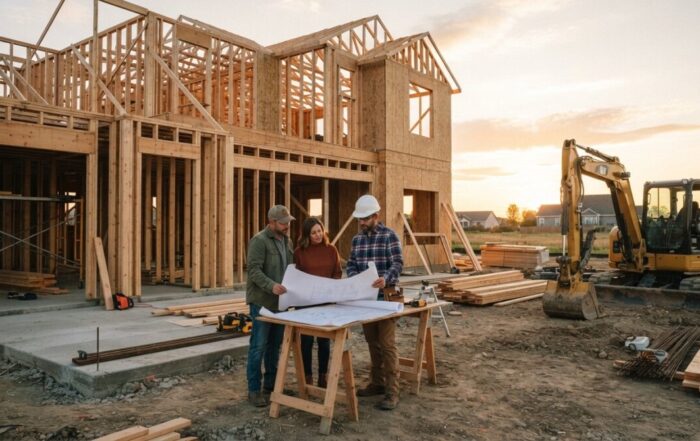
Construction Loans: How to Finance Your New Build
Learn how construction loans finance your new build, including draw schedules, costs, and approval tips to keep your project on budget.

Fair Credit Loans: Approval Tips for 2026
Fair credit loans offer a path to financing with scores between 580 and 669. Learn how to get approved and avoid predatory lenders.

Personal Loans: Rates, Terms, and Approval Tips
Compare personal loan rates, terms, and approval tips to find the best fit for your budget and financial goals.
Find a Loan!