
Online Loan Financing Platform: Simplify Your Mortgage Search
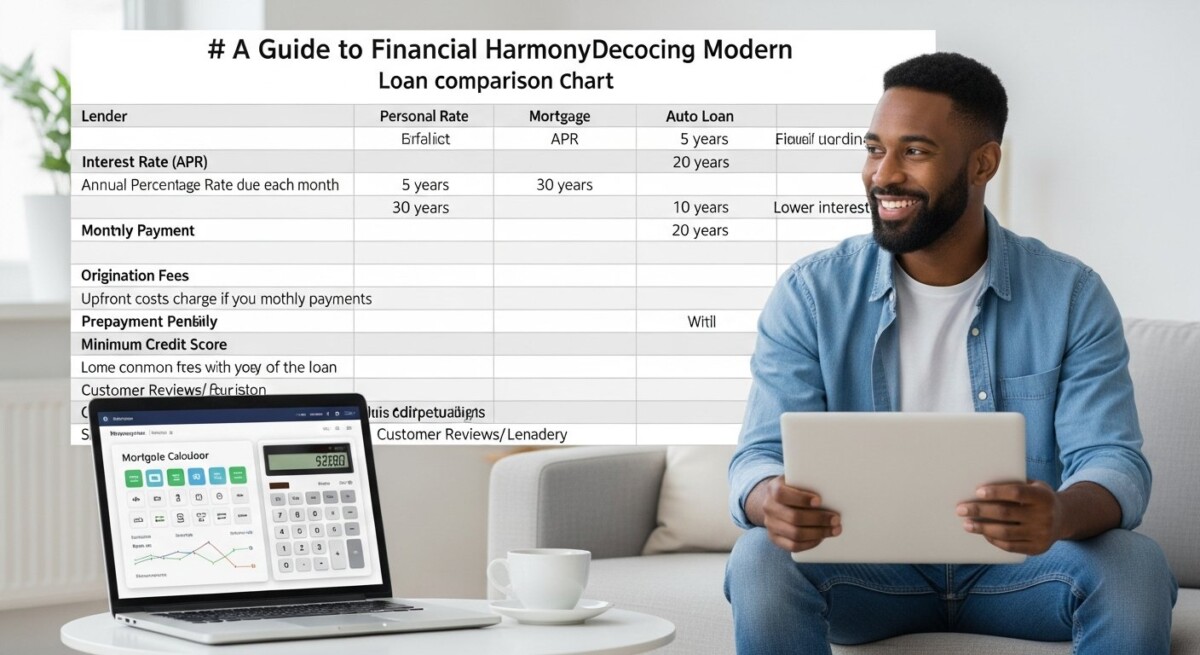

You have probably spent evenings scrolling through real estate listings, dreaming about the perfect home. Or maybe you already own a house and want to lower your monthly payments. At some point, most home buyers and homeowners find themselves searching for an online loan financing platform to understand their options. The internet is full of financial tools, but knowing how to use them can save you thousands of dollars and a lot of stress.
An online loan financing platform is simply a website or app that helps you compare mortgage offers, check rates, and connect with lenders. Instead of visiting five different banks in person, you can review multiple loan options from your couch. This article explains how these platforms work, what mortgage terms mean, and how you can make a confident decision about your home loan.
Understanding online loan financing platform
An online loan financing platform acts as a digital marketplace for loans. You fill out one application, and the platform shares your information with several lenders. Each lender then sends you a quote showing their interest rate, monthly payment, and loan fees. This process lets you compare offers side by side without making multiple phone calls.
People use these platforms when they are buying a home, refinancing an existing mortgage, or looking for a lower interest rate. The goal is always the same: find a loan that fits your budget and financial goals. Most platforms are free for borrowers because lenders pay a fee when you choose their loan.
Why do so many people search for an online loan financing platform? Because it saves time, reduces confusion, and gives you power as a borrower. When you see multiple offers, you can negotiate with lenders and choose the deal that works best for you. In our guide on Home Loan Financing Made Simple, we explain how comparing offers can lead to better terms.
Why Mortgage Rates and Loan Terms Matter
Mortgage rates are the interest you pay on your home loan. Even a small difference in your rate can change your monthly payment by hundreds of dollars. Over a 30-year loan, a rate that is 1% lower could save you tens of thousands of dollars. That is why comparing rates is one of the most important steps in the home buying process.
Loan terms, such as the length of the loan (15 years versus 30 years), also affect your monthly payment and total interest. A shorter term means higher monthly payments but less interest over time. A longer term lowers your monthly payment but costs more in interest. Your choice depends on your current income and long-term financial plans.
An online loan financing platform helps you see these differences clearly. You can adjust the loan amount, term, and rate to see how each option affects your budget. This clarity helps you plan for the future and avoid surprises.
If you are exploring home financing options, comparing lenders can help you find better rates. Request mortgage quotes or call to review available options.
Common Mortgage Options
Most borrowers choose from a few standard mortgage types. Understanding these options helps you pick the loan that matches your financial situation. Here are the most common types of home loans:
- Fixed-rate mortgage: Your interest rate stays the same for the entire loan term. This option gives you predictable monthly payments and is popular among first-time home buyers.
- Adjustable-rate mortgage (ARM): The interest rate starts lower than a fixed-rate loan but can change after a set period. ARMs can save money in the short term but carry risk if rates rise.
- FHA loan: Backed by the Federal Housing Administration, these loans require a smaller down payment and lower credit scores. They are ideal for buyers with limited savings or past credit challenges.
- VA loan: Available to veterans, active-duty military, and eligible spouses. VA loans often require no down payment and have competitive rates.
- Refinancing loan: You replace your current mortgage with a new one, often to get a lower rate or change the loan term. Refinancing can reduce your monthly payment or help you pay off your home faster.
Each loan type has specific requirements and benefits. An online loan financing platform can show you which options you qualify for and help you compare their costs.
How the Mortgage Approval Process Works
Getting approved for a mortgage involves several steps. Knowing what to expect makes the process less intimidating. Here is the typical journey from application to closing:
- Credit review: Lenders check your credit score and report to see how you have managed debt in the past. A higher score usually means better rates.
- Income verification: You provide pay stubs, tax returns, and bank statements. Lenders want to confirm you have a steady income to make payments.
- Loan pre-approval: Based on your credit and income, a lender gives you a conditional commitment for a specific loan amount. Pre-approval shows sellers you are a serious buyer.
- Property evaluation: An appraiser inspects the home to confirm its value. The lender uses this report to ensure the loan amount matches the property’s worth.
- Final loan approval: After all documents are reviewed and the property is appraised, the lender issues final approval. You then sign the paperwork and receive the funds.
An online loan financing platform can connect you with lenders who guide you through each step. Many platforms also offer tools to check your credit score and estimate your budget before you apply.
Speaking with lenders can help you understand your eligibility and available loan options. Compare mortgage quotes here or call to learn more.
Factors That Affect Mortgage Approval
Lenders evaluate several factors before approving your loan. Understanding these factors helps you prepare and improve your chances of approval. Here are the key items lenders consider:
- Credit score: A score of 620 or higher is typically required for conventional loans. Higher scores unlock lower rates.
- Income stability: Lenders prefer borrowers with a steady job history of at least two years in the same field.
- Debt-to-income ratio (DTI): This compares your monthly debt payments to your gross monthly income. Most lenders want a DTI below 43%.
- Down payment amount: A larger down payment reduces the lender’s risk and can lower your rate. Some loans allow as little as 3% down.
- Property value: The home must appraise for at least the loan amount. If the appraisal comes in low, you may need to negotiate or increase your down payment.
Improving your credit score, saving for a larger down payment, and paying down existing debt can strengthen your application. An online loan financing platform can help you see how these factors affect your loan options.
What Affects Mortgage Rates
Mortgage rates change daily based on a mix of personal and market factors. Knowing what influences your rate helps you time your application and choose the right lender. Here are the main elements that affect your rate:
Market conditions: The overall economy, inflation, and the Federal Reserve’s policies influence interest rates. When the economy is strong, rates tend to rise. When it slows, rates often drop.
Your credit profile: Borrowers with excellent credit scores and low debt-to-income ratios receive the lowest rates. Lenders see them as low-risk borrowers.
Loan term and type: Shorter-term loans (like 15-year mortgages) usually have lower rates than 30-year loans. Fixed rates are generally higher than initial ARM rates but offer stability.
Property type and location: Rates can vary based on whether you are buying a single-family home, a condo, or an investment property. Your home’s location also affects the rate due to local market conditions.
Using an online loan financing platform, you can check current rates and see how your personal profile might affect the offers you receive. This information helps you decide when to lock in your rate.
Mortgage rates can vary between lenders. Check current loan quotes or call to explore available rates.
Tips for Choosing the Right Lender
Not all lenders offer the same service or rates. Taking the time to choose wisely can save you money and frustration. Follow these tips when selecting a lender through an online loan financing platform:
- Compare multiple lenders: Request quotes from at least three different lenders. Even small differences in rates and fees add up over time.
- Review loan terms carefully: Look beyond the interest rate. Check the loan term, prepayment penalties, and closing costs.
- Ask about hidden fees: Some lenders charge application fees, processing fees, or origination fees. Ask for a full list of costs before you commit.
- Check customer reviews: Read what past borrowers say about the lender’s communication, speed, and reliability.
Remember that the cheapest loan is not always the best. A lender with excellent customer service and clear communication can make the process much smoother. In our article on Installment Loan Financing Made Simple, we discuss how to evaluate lender offers for your specific needs.
Long-Term Benefits of Choosing the Right Mortgage
The mortgage you choose today affects your finances for years to come. Picking the right loan can lead to lower monthly payments, less stress, and more money for other goals like retirement or education. An online loan financing platform helps you see the big picture before you sign.
Lower monthly payments: A competitive rate and suitable loan term can reduce your monthly housing costs. This frees up cash for savings, investments, or home improvements.
Long-term savings: Over the life of a 30-year mortgage, even a 0.5% lower rate can save you tens of thousands of dollars. Those savings can go toward your children’s college fund or your own retirement.
Financial stability: A fixed-rate mortgage gives you predictable payments for decades. This stability helps you budget confidently and avoid the stress of rising interest rates.
By taking the time to compare offers and understand your options, you set yourself up for a stronger financial future. An online loan financing platform is a tool that puts you in control.
What credit score do I need to use an online loan financing platform?
Most platforms work with lenders who accept a range of credit scores. You can use the platform even if your score is below 620, though your options may be limited to FHA or subprime loans. The platform will show you which lenders are likely to approve your application.
Can I get a mortgage quote without hurting my credit score?
Yes. Many online loan financing platforms use a soft credit pull for initial quotes. This check does not affect your credit score. A hard pull only happens when you formally apply for a loan.
How many mortgage quotes should I compare?
Experts recommend comparing at least three to five quotes from different lenders. This gives you a clear picture of the market and helps you spot the best deal. The more quotes you compare, the more likely you are to save money.
What is the difference between pre-qualification and pre-approval?
Pre-qualification is an estimate based on information you provide, such as your income and debts. Pre-approval is more thorough and involves a credit check and document review. Pre-approval carries more weight with sellers.
Are online loan financing platforms safe to use?
Reputable platforms use encryption to protect your personal and financial data. Look for platforms that display privacy policies and security certifications. Always avoid sharing sensitive information on unsecured websites.
Can I refinance my current mortgage using an online platform?
Absolutely. Many platforms specialize in refinancing and can connect you with lenders who offer competitive rates. You can compare cash-out refinancing, rate-and-term refinancing, and streamline options.
What documents do I need to apply for a mortgage online?
You will typically need recent pay stubs, tax returns from the past two years, bank statements, and a government-issued ID. The platform or lender will provide a checklist to guide you.
How long does it take to get approved through an online platform?
Initial quotes can appear within minutes. Full approval usually takes 30 to 45 days, depending on how quickly you submit documents and the lender’s processing time. Some lenders offer faster timelines.
Exploring your home loan options does not have to be overwhelming. An online loan financing platform gives you the tools to compare rates, understand terms, and connect with trusted lenders. Take the first step today. Request mortgage quotes from multiple lenders and see how much you could save on your monthly payment. When you are ready to move forward, our guide on Auto Loan Financing Explained for Home Buyers offers additional insights into managing your overall debt. Your dream home is within reach,start with the right loan.


About Sloane Parker

How Secured Personal Loans Work and When to Use One
Learn how secured personal loans work, their benefits and risks, and smart strategies to use them effectively for debt consolidation or major expenses.

Online Installment Loans: Flexible Repayment Made Simple
Online installment loans offer fixed payments and fast funding, making them a smart choice for managing expenses and consolidating debt.

Loan Payoff Calculator: Plan Your Debt Freedom
Use a loan payoff calculator to see how extra payments shorten your term and save on interest. Plan your debt freedom today.
Find a Loan!