
How To Compare Financing Offers For Your Home Loan
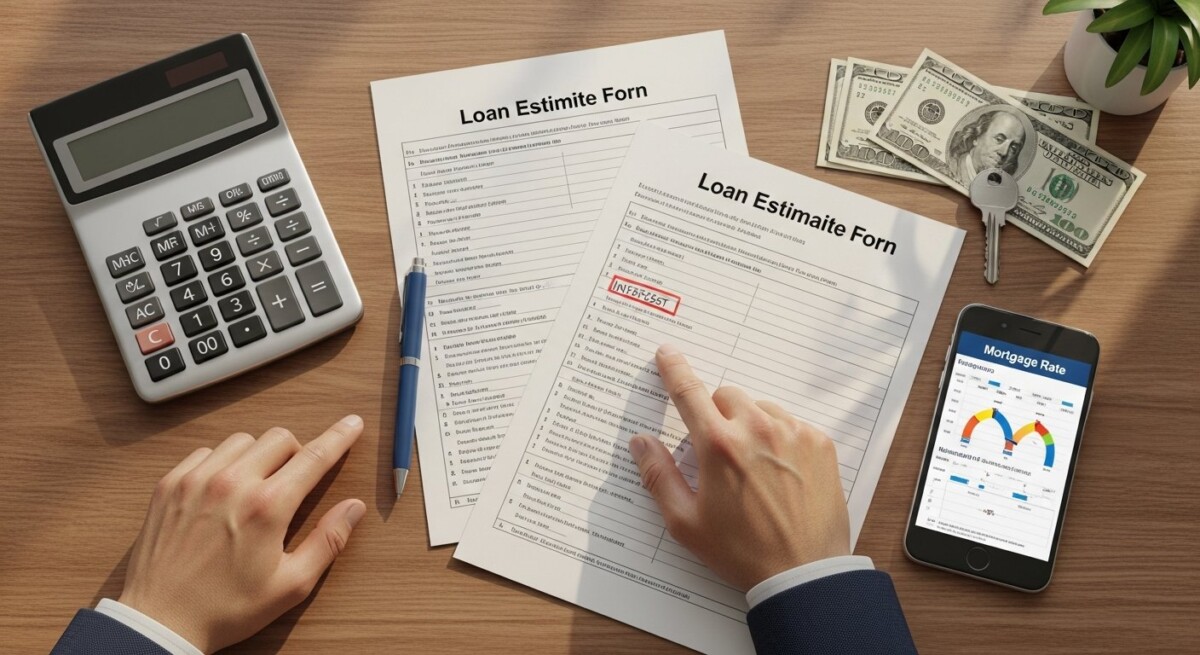

You have found a home you love, or you are thinking about lowering your monthly payment by refinancing. Suddenly, you are faced with a stack of papers and a list of numbers from different banks. It is easy to feel overwhelmed. Many people start researching how to compare financing offers when they realize that not all loans are the same. Understanding the differences can save you thousands of dollars and help you choose a loan that fits your life.
Understanding how to compare financing offers
Comparing financing offers means looking at the details of multiple loan proposals side by side. It is not just about picking the lowest monthly payment. You need to examine the interest rate, the fees, and the length of the loan. This process helps you see the true cost of borrowing money.
When you learn how to compare financing offers, you gain control over one of the biggest financial decisions you will ever make. Lenders will give you a Loan Estimate form that lists the key terms. By reading this document carefully, you can spot which offer gives you the best value. For a deeper dive into this topic, read our guide on How to Compare Financing Offers for Your Home Loan.
People search for this information because they want to avoid paying too much. A small difference in an interest rate can mean tens of thousands of dollars over the life of a loan. Learning how to compare offers protects your budget and your future.
Why Mortgage Rates and Loan Terms Matter
The interest rate on your mortgage directly affects your monthly payment. A lower rate means you pay less each month, which frees up money for other goals like saving for retirement or home repairs. The loan term, such as 15 years versus 30 years, also changes your payment and the total interest you will pay.
For example, a 30-year loan has lower monthly payments but costs more in interest over time. A 15-year loan has higher payments but builds equity faster and saves you money on interest. When you compare financing offers, you balance these two factors to find what works for your cash flow.
Planning your finances becomes easier when you know your exact payment for the next several years. Fixed-rate loans keep your payment the same, while adjustable-rate loans can change. Understanding these differences helps you avoid surprises and stay in control of your home loan.
If you are exploring home financing options, comparing lenders can help you find better rates. Request mortgage quotes or call to review available options.
Common Mortgage Options
There is no single best mortgage for everyone. Lenders offer several types of loans, each designed for different situations. Knowing the options helps you choose the right fit.
Here are the most common mortgage types you will see when you compare financing offers:
- Fixed-rate mortgages , The interest rate stays the same for the entire loan term. This is the most popular choice because payments are predictable.
- Adjustable-rate mortgages (ARMs) , The rate is lower for the first few years, then changes based on the market. This can save money if you plan to sell or refinance before the rate adjusts.
- FHA loans , Backed by the Federal Housing Administration, these loans have lower down payment requirements and are good for first-time buyers with less savings.
- VA loans , Available to veterans and active military members, these loans often require no down payment and have competitive rates.
- Refinancing loans , These replace your existing mortgage with a new one, often to get a lower rate, change the loan term, or switch from an ARM to a fixed rate.
Each option has different rules for credit scores, down payments, and fees. When you request quotes, ask lenders to explain which loan type they are offering and why it suits your situation.
How the Mortgage Approval Process Works
The approval process can feel confusing, but it follows a clear path. Lenders want to make sure you can repay the loan, so they check your finances thoroughly.
Here is the typical process step by step:
- Credit review , The lender checks your credit score and history to see how you have managed debt in the past.
- Income verification , You provide pay stubs, tax returns, and bank statements to prove you have a steady income.
- Loan pre-approval , Based on your credit and income, the lender tells you how much you can borrow. This helps you shop for homes within your budget.
- Property evaluation , An appraiser inspects the home to confirm its value matches the loan amount.
- Final loan approval , Once everything checks out, the lender approves the loan and funds the purchase or refinance.
Understanding this process helps you prepare your documents and avoid delays. It also makes it easier to compare financing offers because you know what each lender requires. For more details, check out our article on How to Compare Financing Offers and Secure the Best Deal.
Speaking with lenders can help you understand your eligibility and available loan options. Compare mortgage quotes here or call to learn more.
Factors That Affect Mortgage Approval
Lenders look at several key factors before approving your loan. Knowing what they check helps you improve your chances of getting approved with a good rate.
Here are the main factors lenders consider:
- Credit score , A higher score usually means lower rates. Even a small improvement can save you money.
- Income stability , Lenders want to see a steady job history. Self-employed borrowers may need extra paperwork.
- Debt-to-income ratio , This compares your monthly debt payments to your income. A lower ratio shows you can handle more debt.
- Down payment amount , A larger down payment reduces the lender’s risk and can lower your rate. Some loans allow as little as 3% down.
- Property value , The home must be worth the loan amount. If the appraisal comes in low, you may need to renegotiate or bring more cash.
You can strengthen your application by paying down debt, saving for a larger down payment, and checking your credit report for errors. These steps make it easier to compare financing offers with confidence.
What Affects Mortgage Rates
Interest rates change daily based on the economy, but your personal situation also plays a big role. When you compare financing offers, you will see different rates from different lenders because each one weighs these factors differently.
Market conditions, such as inflation and the Federal Reserve’s actions, affect all rates. However, your credit profile has a huge impact. Borrowers with excellent credit often get rates that are one or two percentage points lower than those with fair credit. The loan term also matters,shorter terms usually have lower rates.
The type of property you are buying can influence your rate too. A single-family home typically has a lower rate than a condominium or investment property. When you request quotes, ask each lender how they calculate your specific rate based on these details.
Mortgage rates can vary between lenders. Check current loan quotes or call to explore available rates.
Tips for Choosing the Right Lender
Choosing a lender is about more than just the rate. You want a company that communicates clearly, processes your loan on time, and treats you fairly. Here are practical tips to help you decide.
Start by comparing multiple lenders. Get at least three quotes so you can see the range of rates and fees. Review the Loan Estimate carefully,look at the interest rate, the annual percentage rate (APR), and the total closing costs. Ask about hidden fees like origination charges or prepayment penalties.
Check customer reviews and ask friends or family for recommendations. A lender with great rates but poor customer service can cause stress during the home-buying process. You want a partner who answers your questions and keeps the process moving smoothly. For a simple breakdown of this process, read Compare Financing Offers: A Simple Guide to Home Loans.
Long-Term Benefits of Choosing the Right Mortgage
Choosing the right mortgage does more than just lower your monthly payment. It sets you up for long-term financial success. A good loan saves you money on interest, helps you build equity faster, and gives you peace of mind.
When you compare financing offers and pick the best one, you keep more of your hard-earned money. Over 30 years, even a half-percent difference in rate can save you tens of thousands of dollars. You can use that money for college, retirement, or home improvements.
Financial stability comes from knowing your payment fits your budget and won’t change unexpectedly. The right mortgage also helps you plan for the future, whether that means paying off your home early or selling it for a profit. Taking the time to compare offers now pays off for decades.
What is the difference between a pre-qualification and a pre-approval?
Pre-qualification is a quick estimate based on information you provide, while pre-approval involves a credit check and document review. Pre-approval is stronger because the lender has verified your finances. Sellers often require a pre-approval letter before accepting an offer.
Should I only look at the interest rate when comparing offers?
No, the interest rate is important, but you must also consider fees, closing costs, and the annual percentage rate (APR). The APR includes both the rate and the fees, giving you a fuller picture of the loan’s cost.
How many quotes should I get before choosing a lender?
Experts recommend getting at least three to five quotes. This gives you a good range of rates and terms. Shopping around within a short time frame (usually 45 days) minimizes the impact on your credit score.
What is a debt-to-income ratio and why does it matter?
Your debt-to-income ratio compares your monthly debt payments to your monthly income. Lenders use it to see if you can afford the mortgage. A ratio below 43% is generally preferred, but lower is better for the best rates.
Can I negotiate the fees on a Loan Estimate?
Yes, some fees are negotiable, such as origination fees or application fees. You can ask the lender to match a competitor’s offer or waive certain charges. It never hurts to ask.
What is the difference between a fixed-rate and an adjustable-rate mortgage?
A fixed-rate mortgage has the same interest rate for the entire loan term, so your payment stays the same. An adjustable-rate mortgage starts with a lower rate that can change after a set period, which means your payment could go up or down.
How does my credit score affect my mortgage rate?
Your credit score is one of the biggest factors in determining your rate. Higher scores qualify for lower rates because lenders see you as less risky. Improving your score before applying can save you thousands of dollars.
What are closing costs and how much should I expect to pay?
Closing costs are fees for services like the appraisal, title search, and loan processing. They typically range from 2% to 5% of the loan amount. You can compare these costs between lenders when you review your Loan Estimates.
Exploring your financing options is the first step toward owning a home or lowering your current payments. Take the time to compare mortgage quotes from multiple lenders. The right loan can save you money and give you confidence in your financial future.


About Sloane Parker

Direct Lender Loans: How to Get Funded Faster
Direct lender loans offer faster funding, clearer terms, and lower costs by removing the broker. Learn how to qualify and avoid pitfalls.

Personal Line of Credit: Flexible Borrowing, Explained
Discover how a personal line of credit offers flexible borrowing, lower interest costs, and a smart safety net for unexpected expenses.

Bad Credit Loans: How to Get Approved in 2026
Bad credit loans can be a lifeline when you need cash, but only if you choose wisely. Learn how to compare offers, avoid scams, and use the loan to rebuild your score.
Find a Loan!