
Equipment Lease Financing: A Simple Guide for Homeowners

Your home is your biggest asset, and keeping it running smoothly often requires special equipment. But what happens when you need a large, expensive tool or system—like a commercial-grade generator, a powerful water-jetter, or a new HVAC unit—and paying for it all at once just isn’t practical? That’s where understanding equipment lease financing can be a game-changer for your budget and your peace of mind.
Visit Explore Lease Options to explore your lease financing options and get a no-pressure consultation today.
Understanding Equipment Lease Financing
Equipment lease financing is a simple concept. Instead of buying a piece of expensive equipment outright, you arrange a contract to rent it from a leasing company for a set period. You make regular, manageable payments, and at the end of the term, you often have options: return the equipment, renew the lease, or sometimes purchase it for a fair market value.
Think of it like leasing a car, but for the important tools that maintain your home. This approach isn’t just for big businesses; it’s a smart financial tool that more and more homeowners are using to access high-quality equipment without the heavy upfront cost.
Key Lease Terms to Know
When reviewing a lease, you’ll encounter a few common terms. The lease term is the length of the agreement, often 2 to 5 years. The monthly payment is calculated based on the equipment’s value, the term, and the interest rate. Finally, the end-of-lease option is what you decide to do when the contract ends, giving you flexibility.
Why Equipment Lease Financing Matters for Homeowners
For many homeowners, a sudden major equipment need can derail finances. Leasing provides a predictable, monthly payment plan that’s easier to manage than a large lump-sum withdrawal from savings or a high-interest credit card charge. It allows you to address urgent home needs immediately, protecting your property from further damage or inconvenience.
Beyond budget management, leasing can give you access to newer, more efficient, and more reliable technology. You’re not stuck with outdated equipment. When the lease ends, you can upgrade to the latest model with improved features and better energy efficiency, which can lower your utility bills. It turns a potential financial stressor into a manageable, strategic decision for your home.
Common Issues and Their Causes
While leasing is straightforward, homeowners sometimes face confusion that leads to hesitation. One common issue is not fully understanding the total cost of the lease compared to an outright purchase. This can happen if you focus only on the low monthly payment without factoring in the full term and end-of-lease fees.
Another concern is getting locked into a lease for equipment that becomes unnecessary or obsolete. This can occur if the scope of a home project changes or if you choose a lease with a very long term for technology that improves rapidly. The cause is often a lack of clear planning for the equipment’s entire useful life in your home.
- Unclear Total Cost: Low monthly payments can mask the full financial commitment over 3-5 years.
- Obsolete Technology: Leasing the wrong term for fast-evolving equipment like water filtration systems.
- Restrictive Agreements: Contracts with high penalties for early termination or excessive wear and tear.
How Professionals Fix the Problem
A reputable equipment or service provider acts as your guide. They start by helping you assess your actual need. Is this equipment for a one-time project, or will you use it for years? They then connect you with trusted leasing partners who offer clear, transparent agreements.
The professional simplifies the process. They handle the coordination between the equipment supplier and the leasing company, ensuring you get the right model and a fair lease structure. Their expertise helps you choose a lease term that matches the equipment’s expected useful life, so you’re not paying for something that won’t last.
- Needs Assessment: They evaluate your project to recommend the perfect equipment.
- Partner Coordination: They manage the logistics between the lender and vendor.
- Agreement Review: They help you understand the lease terms and total cost.
Signs You Should Not Ignore
How do you know if equipment lease financing is the right move for your current situation? The signs are often practical and financial. If a necessary repair or upgrade is being delayed because the equipment cost is too high upfront, leasing is a strong signal to consider.
Also, if you find yourself repeatedly renting the same tool for short periods, those costs add up quickly. Leasing for a longer term can become more economical. Pay attention to your cash flow; preserving savings for emergencies while acquiring needed equipment is a smart balancing act that leasing facilitates.
Visit Explore Lease Options to explore your lease financing options and get a no-pressure consultation today.
- You’re postponing a critical home repair due to equipment cost.
- Your short-term rental fees for tools are becoming a frequent expense.
- You want to preserve your savings or credit line for other emergencies.
- The equipment you need has rapid technological advances (making ownership risky).
Cost Factors and What Affects Pricing
Your monthly lease payment isn’t a random number. It’s primarily based on the total cost of the equipment itself—a commercial dehumidifier will have different payments than a whole-home backup generator. The interest rate (often called the “lease rate”) is a major factor and can vary based on your creditworthiness and the leasing company.
The lease term length directly impacts your payment; a longer term usually means a lower monthly payment but potentially a higher total cost. Finally, the predicted residual value (what the equipment is expected to be worth at lease end) plays a role. Equipment that holds its value well can sometimes qualify for more favorable lease terms.
How To Choose the Right Professional or Service
When seeking equipment lease financing, partner with a service provider who offers more than just the equipment. Look for a company that has established relationships with reputable leasing firms and is willing to explain the entire process in plain language. They should be your advocate, not just a middleman.
Choose a professional who asks detailed questions about your long-term needs and budget. They should provide clear comparisons between leasing and buying, and help you understand the service and maintenance implications for the equipment during the lease. Transparency is key; a trustworthy provider will have no hidden fees or pressures.
- Seek Partnerships: Choose a service provider with established lending partners.
- Demand Transparency: They should explain all fees, terms, and end-of-lease options clearly.
- Check Support: Ensure they offer service support for the leased equipment.
Long-Term Benefits for Your Home
Choosing to lease equipment isn’t just a short-term fix; it’s a long-term strategy for home health. By enabling you to install high-quality, efficient systems now, you prevent the slow decline that comes from deferred maintenance. A timely installed sump pump prevents basement flooding and mold—a much costlier problem.
Financially, leasing protects your liquidity. Keeping your cash in savings or investments allows for greater financial stability and readiness for other opportunities or emergencies. Over time, the ability to regularly upgrade to more efficient equipment can lead to sustained savings on energy and water bills, increasing your home’s overall efficiency and comfort for years to come.
Frequently Asked Questions
Is equipment lease financing only for businesses?
No, not at all. Many leasing companies offer programs specifically designed for homeowners. It’s a popular way to finance major home systems, landscaping equipment, and tools for big renovation projects without a massive upfront payment.
Do I need perfect credit to qualify for a lease?
While better credit often secures better rates, many leasing companies offer options for a range of credit scores. The requirements can be different and sometimes more flexible than traditional loan products.
Who is responsible for repairs on leased equipment?
This depends on the lease agreement. Many “full-service” leases include maintenance, which is a huge benefit. Always clarify this point before signing. Your service professional can often handle maintenance regardless of the lease type.
What happens at the end of the lease term?
You typically have three options: return the equipment, renew the lease (often at a lower payment), or purchase it for its current fair market value, which is stated in your original contract.
Can I get out of a lease early?
Early termination is usually possible but may involve fees. The terms for early buyout or termination will be clearly outlined in your lease agreement. It’s important to review this section carefully.
Are lease payments tax-deductible for homeowners?
This can vary. In some cases, if the equipment is for a home office or rental property portion of your home, portions may be deductible. It’s always best to consult with a tax advisor about your specific situation.
Is leasing always better than buying?
Not always. If you have the capital and the equipment will last for many years without becoming obsolete, buying might be better. Leaning excels when you want to preserve cash, need the latest technology, or the equipment has a short useful life.
Equipment lease financing is a powerful tool that turns major home investments from daunting burdens into manageable, strategic upgrades. By understanding the process and partnering with the right professionals, you can protect your home, your budget, and your future comfort with confidence and clarity.
Visit Explore Lease Options to explore your lease financing options and get a no-pressure consultation today.

About ryanthompson
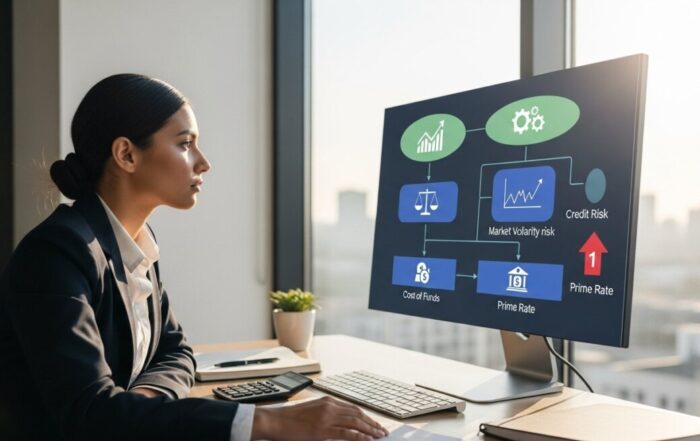
How Lenders Set Financing Rates: The Key Factors Explained
Learn how lenders set financing rates based on risk, cost, and market factors. This knowledge can help you secure a lower interest rate and save thousands.

APR vs Interest Rate: The True Cost of Financing Explained
Understanding APR vs interest rate in financing reveals the true cost of a loan, helping you avoid hidden fees and choose the most affordable option.

Can You Get Financing With a Low Credit Score? Yes, Here’s How
Yes, you can get financing with a low credit score. Explore secured loans, credit-builder options, and strategic steps to secure approval and rebuild your credit.
