
Financing Business Equipment: Loans and Strategic Funding
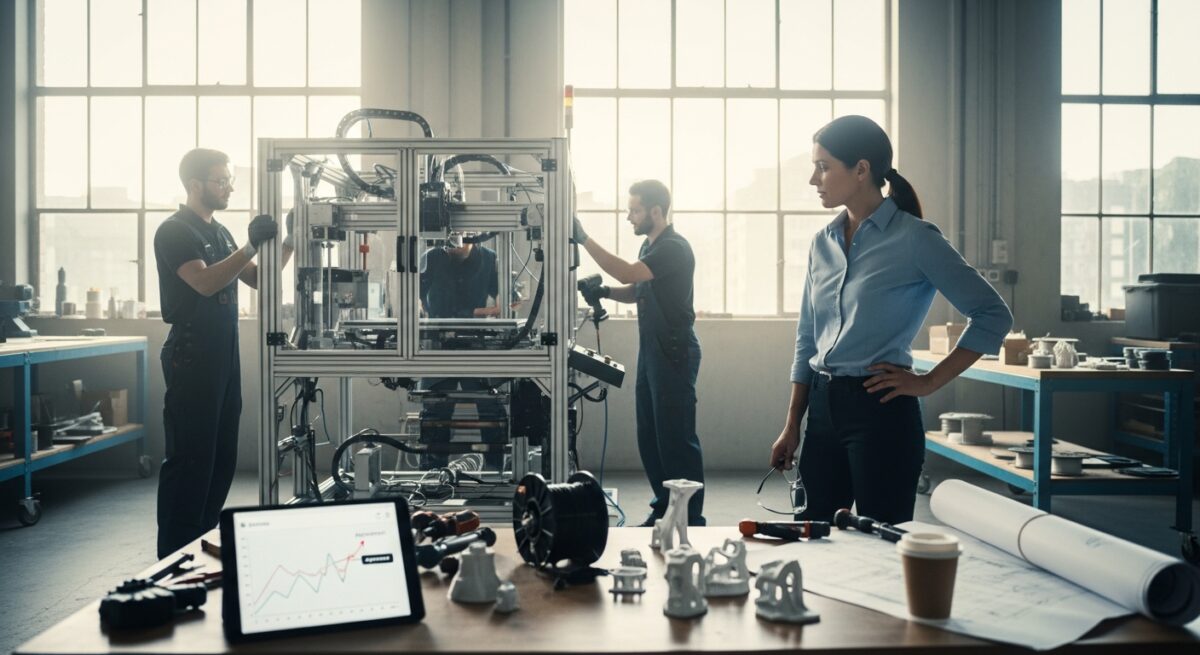
For many businesses, the gap between ambition and execution is filled with equipment. From the delivery van for a new florist to the industrial 3D printer for a manufacturing startup, the right tools are the lifeblood of growth and daily operation. Yet, purchasing this equipment outright can deplete critical cash reserves, stifling the very growth it’s meant to enable. This is where the strategic use of business equipment loans becomes a powerful lever for savvy entrepreneurs and established companies alike. Unlike a simple cash infusion, an equipment loan is a purpose-built financial tool designed to align the cost of an asset with its productive lifespan, offering a pathway to modernization and scaling without jeopardizing financial stability.
To leverage strategic equipment financing for your business growth, visit Finance Your Equipment to explore your funding options.
Understanding Business Equipment Financing
At its core, a business equipment loan is a secured loan used specifically to purchase machinery, vehicles, technology, or other tangible assets necessary for business operations. The equipment itself serves as collateral for the loan, which often makes this type of financing more accessible than unsecured credit, especially for newer businesses. The fundamental principle is that the asset you’re financing will generate revenue or improve efficiency, thereby paying for itself over time. This creates a direct link between financing and productivity, a concept known as leveraging debt for growth. The structure is inherently practical: you get the essential tool you need now, while paying for it with the future cash flow it helps to create.
It is crucial to distinguish equipment loans from equipment leases, as the two are often conflated. With a loan, you are purchasing the asset. You own it from day one, it appears as an asset on your balance sheet, and you can typically claim depreciation and interest expense deductions. At the end of the loan term, you own the equipment free and clear. A lease, conversely, is essentially a long-term rental agreement. The lender (lessor) retains ownership, and you make periodic payments for its use. Leases can offer lower monthly payments and easier upgrades but may lack the long-term equity and tax advantages of ownership. The choice depends heavily on the technology’s lifecycle, your cash flow, and your strategic goals for the asset.
The Tangible Benefits of Financing vs. Buying Outright
The decision to finance equipment extends far beyond mere convenience. It is a strategic financial move with multiple advantages that can strengthen a company’s position. The most immediate benefit is the preservation of working capital. Instead of spending a large lump sum that could cover months of payroll, rent, or marketing, you retain that liquidity for unexpected opportunities or challenges, spreading the equipment’s cost over its useful life. This directly improves cash flow management, turning a major capital expenditure into a predictable, budgeted monthly expense.
Furthermore, equipment loans can offer significant tax benefits. Under Section 179 of the U.S. tax code, businesses can often deduct the full purchase price of financed equipment in the year it is placed into service, up to a certain limit, rather than depreciating it over several years. This can lead to substantial tax savings. Additionally, the interest paid on the loan is typically tax-deductible as a business expense. From a credit perspective, successfully managing an equipment loan builds your business credit history, which can improve terms for future financing needs. Most importantly, it enables timely acquisition. You can secure the latest, most efficient technology now to stay competitive, rather than waiting years to save up the full purchase price, by which time the equipment may be obsolete.
The strategic advantages are clear:
- Preserves Working Capital: Keeps cash reserves available for operations and emergencies.
- Predictable Budgeting: Fixed monthly payments simplify financial planning.
- Immediate Tax Advantages: Potential for full first-year expensing and interest deductions.
- Builds Business Credit: On-time payments establish a positive credit history.
- Enables Competitive Upgrades: Access newer, more productive technology without delay.
Navigating the Loan Application Process
Securing a business equipment loan requires preparation and a clear understanding of what lenders evaluate. The process is more streamlined than a general business loan because the equipment provides security, but strong fundamentals are still key. Lenders will scrutinize your business’s financial health, the specifics of the equipment, and your ability to repay. Being prepared with the right documentation and a clear rationale will significantly increase your chances of approval and secure favorable terms.
The first step is gathering essential documentation. This typically includes two to three years of business tax returns, year-to-date profit and loss statements and balance sheets, business bank statements, and a detailed description of the equipment you intend to purchase, often including a quote or invoice from the vendor. You should also be prepared to provide personal financial information, as many lenders require a personal guarantee from small business owners. With documents in hand, the next step is to understand the key factors lenders assess: your credit score (both business and personal), time in business, annual revenue, and cash flow. Strong, consistent cash flow is particularly crucial as it demonstrates your ability to handle the monthly payments.
Following a structured approach can demystify the process:
- Assess Your Needs and Budget: Precisely define the equipment needed and determine a comfortable monthly payment range based on your cash flow projections.
- Check and Improve Your Credit: Review your business and personal credit reports for errors. A higher score can unlock better interest rates.
- Research and Compare Lenders: Explore options from traditional banks, credit unions, online lenders, and equipment dealers’ financing arms.
- Prepare Your Documentation: Compile all required financial statements, tax returns, and equipment quotes in an organized manner.
- Submit a Complete Application: Provide clear, accurate information and be prepared to explain how the equipment will benefit your business.
After submission, the lender will underwrite the loan, which involves verifying your information and appraising the equipment’s value. Being responsive to any follow-up questions can help speed up final approval and funding.
To leverage strategic equipment financing for your business growth, visit Finance Your Equipment to explore your funding options.
Choosing the Right Lender and Loan Structure
The landscape of equipment financing is diverse, with different lenders catering to different needs. Traditional banks and credit unions often offer the most competitive interest rates but may have the strictest qualification requirements, favoring established businesses with strong financials and excellent credit. Online lenders provide a faster, more streamlined application process with greater flexibility on credit standards, though often at a higher cost. Equipment dealers and manufacturers frequently offer in-house financing, which can be incredibly convenient and sometimes promotional, but it’s wise to compare these terms with external offers. Finally, the U.S. Small Business Administration (SBA) offers loan programs like the SBA 7(a) or 504 loans that can be used for equipment, featuring favorable rates and longer terms, albeit with a more involved application process.
Once you’ve identified potential lenders, understanding the loan structure is vital. Key terms to compare include the interest rate (fixed vs. variable), the loan term (which should generally align with the equipment’s useful life), the down payment requirement (typically 10-20%), and any associated fees (origination, documentation, etc.). A critical concept is the total cost of ownership, which includes the purchase price plus all interest and fees over the life of the loan. A loan with a slightly higher interest rate but no fees might be cheaper overall than a low-rate loan with high upfront costs. Always read the fine print for covenants or restrictions, such as requirements for additional insurance or limitations on selling the equipment before the loan is repaid.
Common Pitfalls and Strategic Considerations
While equipment loans are powerful, they are not without risks. A common mistake is over-financing purchasing more or fancier equipment than the business truly needs or can afford, leading to burdensome debt. It’s essential to base the purchase on a realistic projection of the revenue or efficiency gains the equipment will provide. Another pitfall is neglecting to consider the total cost, focusing only on the monthly payment. A longer term lowers the payment but increases total interest paid significantly. Similarly, failing to account for installation, training, maintenance, and potential downtime costs can create budget shortfalls.
Strategically, it’s important to match the loan term to the equipment’s expected lifespan. Financing a computer over seven years makes little sense when its functional life is three to four years. Consider technological obsolescence; for rapidly changing tech, a lease with an upgrade option might be more prudent than a long-term loan. Always model the loan payment into your cash flow forecasts to ensure it remains sustainable under different business scenarios. Finally, maintain the equipment meticulously and keep all records, as this protects the asset’s value, which is the foundation of your loan’s security.
Frequently Asked Questions
What credit score is needed for a business equipment loan?
Requirements vary widely by lender. Traditional banks may seek scores of 680 or higher, while online lenders might approve scores in the mid-600s. Some dealer financing may be available for scores in the 500s, but at substantially higher interest rates. Your business revenue and time in operation are also critical factors.
Can I get an equipment loan for used equipment?
Yes, many lenders finance used equipment. The loan terms will often be shorter, and the down payment requirement may be higher, reflecting the equipment’s lower collateral value and potentially shorter remaining useful life. The lender will typically require an appraisal or detailed specifications.
How much of a down payment is typically required?
Down payments for business equipment financing commonly range from 10% to 20% of the total cost. This shows the lender your commitment and reduces their risk. In some cases, with very strong credit or for essential, high-value equipment, you may secure 100% financing with no down payment.
What is the difference between an equipment loan and a cash flow loan?
An equipment loan is secured by a specific, tangible asset (the equipment) and is used solely to purchase that asset. A cash flow loan (or working capital loan) is typically unsecured or broadly secured, providing general funds for operations like payroll or inventory. Equipment loans often have better rates due to the collateral.
Are there tax benefits to financing equipment?
Yes. You can usually deduct the interest paid on the loan as a business expense. Additionally, you may be eligible to deduct the full cost of the equipment in the year of purchase using Section 179 expensing or bonus depreciation, even though you financed it, which can create a significant tax advantage.
The strategic acquisition of business equipment through financing is a cornerstone of prudent growth management. It transforms a potentially crippling capital outlay into a manageable, productivity-enhancing investment. By thoroughly evaluating your needs, understanding the financial landscape, and choosing a loan structure that aligns with your equipment’s life and your business’s cash flow, you can harness this tool to build capacity, improve efficiency, and drive sustainable growth. The right equipment, acquired with the right financing, is not just an expense it’s an investment in your company’s future capability and competitive edge.
To leverage strategic equipment financing for your business growth, visit Finance Your Equipment to explore your funding options.

About Sloane Parker

How Long Does Financing Approval Take? A Realistic Timeline
Get a clear breakdown of financing approval timelines, from instant decisions to months-long processes. Learn how to prepare your application to avoid unnecessary delays.

Home Financing Options Explained: A Guide for Buyers
This guide clearly explains home financing options, from conventional loans to government programs. You will learn how to choose the right mortgage based on your credit, down payment, and goals.

How to Get Financing Approval: A 7-Step Action Plan
Follow this proven 7-step action plan to systematically improve your chances and secure the funding you need. Master the steps to get financing approval with confidence.
